
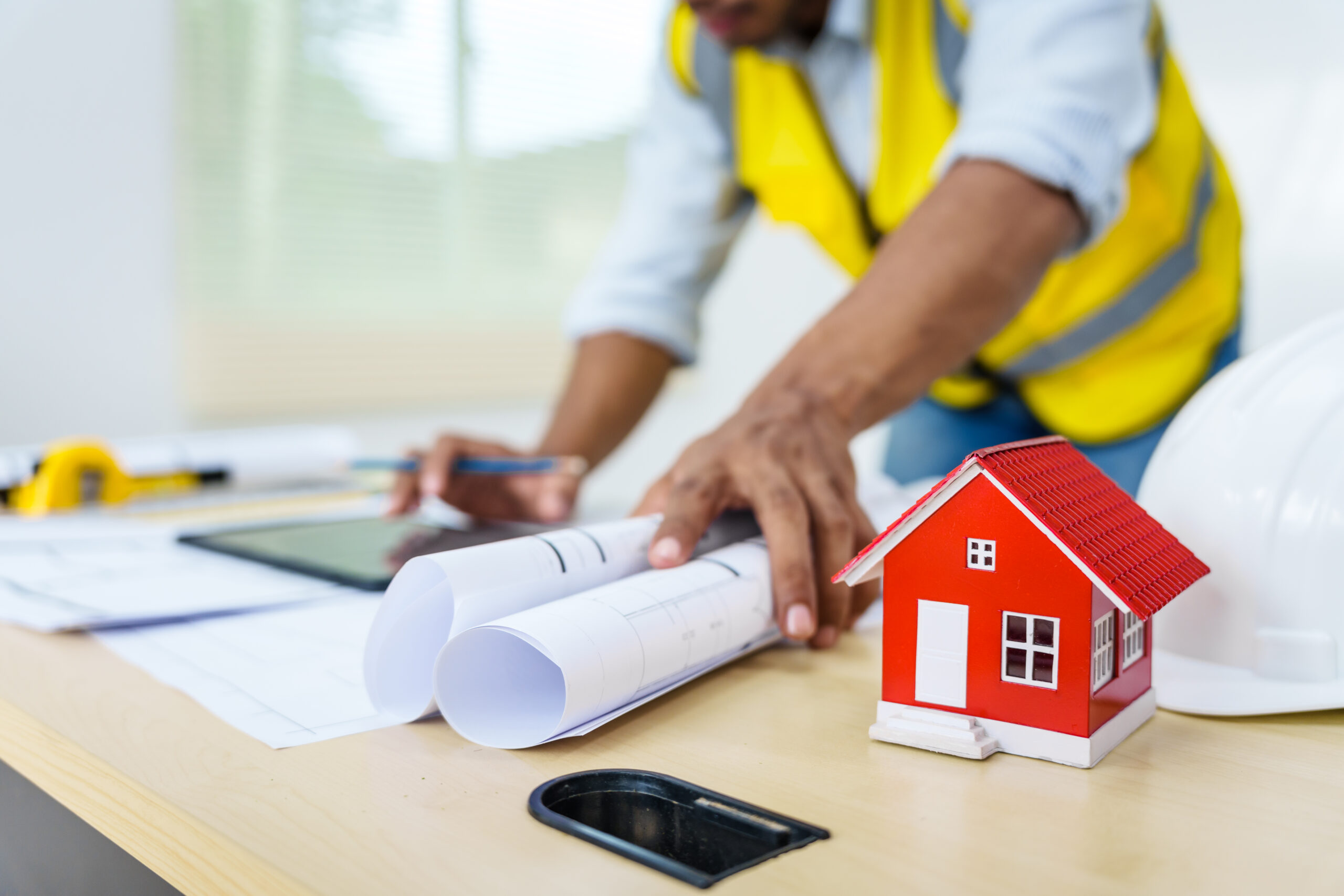
If your builder has not upheld to his agreement, then you are part of a building dispute. A building dispute is a type of disagreement that happens between people or companies involved in building a project. Before, seeking legal action it is advisable to solve the situation between or people that are involved.
What is a building dispute?
In short a building dispute is a disagreement that happens between people or companies involved in building a project. A project could be anything from building a house, a block of flats, offices and commercial property.
Disagreements could be about:
- defective or incomplete work
- project delays
- the cost of work or payment terms
- poor communication
- errors in construction contracts
- professional negligence
Lots of people are involved in building disputes such as: employers, builders, contractors, contractors, sub-contractors, insurance providers and credit or debit card companies.
How can I avoid a building dispute?
Whether you are building your house or a university campus, you should get legal advice before agreeing to work or signing a contract. By doing this you will avoid unnecessary costs and disagreements as the intentions and responsibilities of both parties are reflected in the contracts. So, seeking the right legal help is the first step to legally secure yourself of any building disputes.
What area of law is involved?
Disputes resolution is the area of law involved. Essentially, a dispute resolution will help the parties find a resolution either going to court or without going to court.
Alternative Dispute Resolution (ADR) is a procedure involved where parties can resolve their disputes, ie a building dispute, without going to court. What’s included:
- Negotiation- parties seek to negotiate without the involvement of a third party. A trained independent ADR practitioner is usually involved in the negotiation to prevent the chance of a deadlock.
- Mediation- a mediator is involved to work with the disputing parties to find an amicable outcome. The aim is to facilitate an agreement between the parties.
- Conciliation- this is similar to mediation but the third party actively assists the parties in settling the dispute.
- Adjudication- used in contract disputes where an independent adjudicator makes a decision on disputes.
- Arbitration- an independent arbitrator makes an award to finalise a dispute.
So, what does this mean for you?
It means that depending on how you and the other party would like to resolve the dispute, you have an array of options to pick from the dispute resolution area of law. For many reasons, such as avoiding huge legal costs, this area of law has made it accessible to all parties involved in a dispute to resolve it without a court procedure.
What are my legal rights?
The Consumer Rights Act 2015 says:
a) goods must be correctly installed, if installing them was part of the contract.
b) that reasonable care and skill must be used while working
Section 75 of the Consumer Credit Act states that the credit card company you use to pay for building services is jointly responsible if something goes wrong with building payments.
Your Solution:
As you now your legal rights and ways to mitigate your building disputes without going to court, your next step is to write the facts of your case into Legalbrain to get a chance to see the strength of your case. Once Legalbrain has given you an idea of what you could be potentially owed, your next step is find your perfect legal partner on Zahoot AI. This AI search engine will give find you only top-rated solicitors in your area.